Vegga Tours & Traveling
Trekking Packing List
Before You Climb
Layer Up,
Climb Well
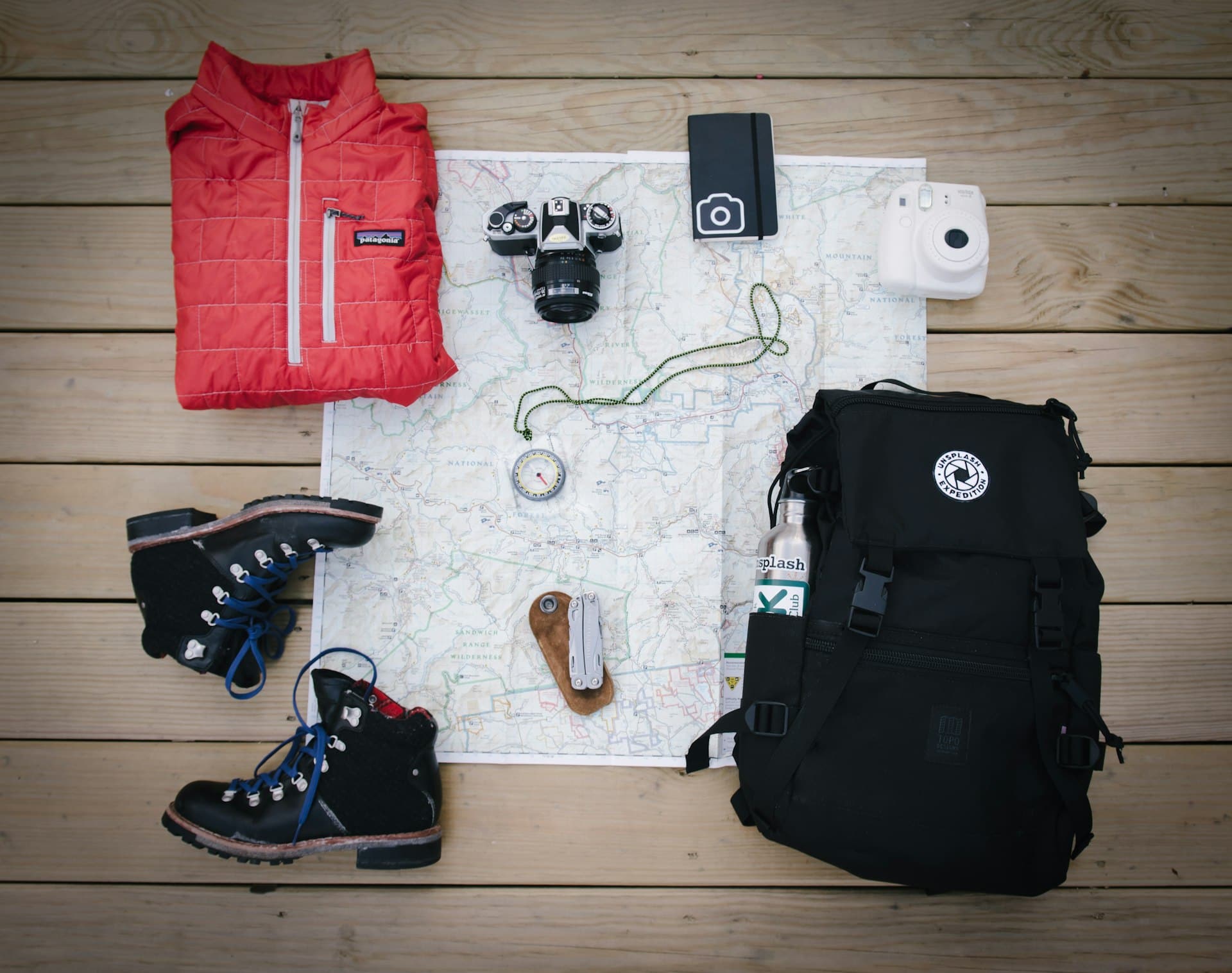
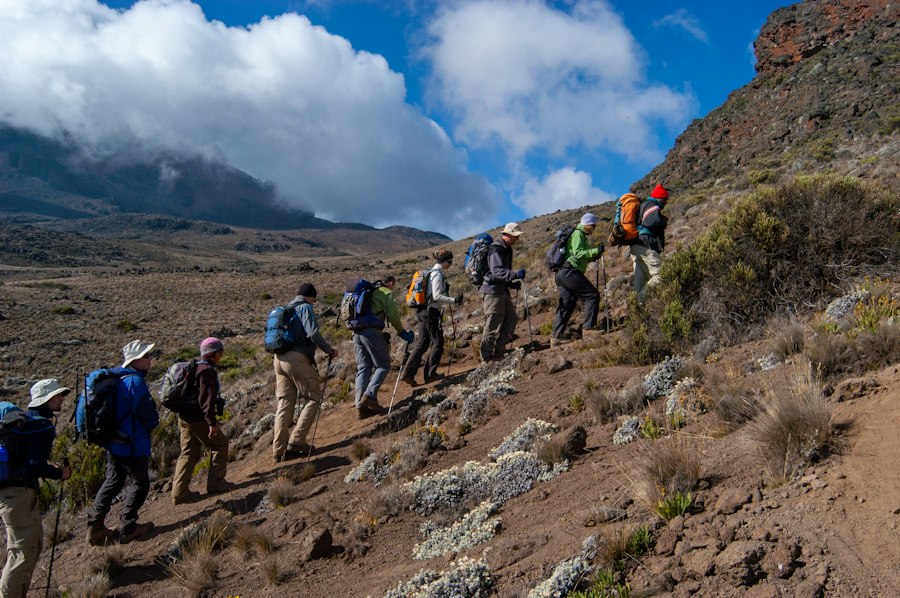
On Kilimanjaro or Meru you can start the day in humid forest and end it below freezing. Porters carry your main bag, which is usually limited to around 15 kg, so pack for warmth, dryness and comfort rather than volume — and keep anything you need during the day in your own daypack.
Clothing
Dressing in Layers
Layers let you adjust as temperatures swing from tropical warmth to well below zero. Avoid cotton — it holds sweat and chills you the moment you stop.
- 01
Base Layers
Two or three moisture-wicking tops and leggings in merino or synthetic fabric.
- 02
Fleece Mid Layer
A warm fleece for cool evenings in camp and for layering on summit night.
- 03
Insulated Jacket
A down or synthetic jacket rated for sub-zero temperatures — your best friend at the top.
- 04
Waterproof Shell
Breathable jacket and over-trousers for rain in the forest and wind higher up.
- 05
Trekking Trousers
Quick-dry trousers, with shorts optional for the warm lower slopes.
- 06
Hiking Boots
Waterproof, ankle-supporting and well broken in before you arrive.
- 07
Hiking Socks
Four or five pairs of cushioned wool-blend socks, plus liners if you blister easily.
- 08
Gaiters
Keep mud, scree and dust out of your boots, especially on the way down.
- 09
Hats & Gloves
A sun hat for the day, a warm beanie for night and insulated gloves or mittens for the summit.
- 10
Buff or Neck Gaiter
Protects against sun, wind and dust in every climate zone.
 Clothing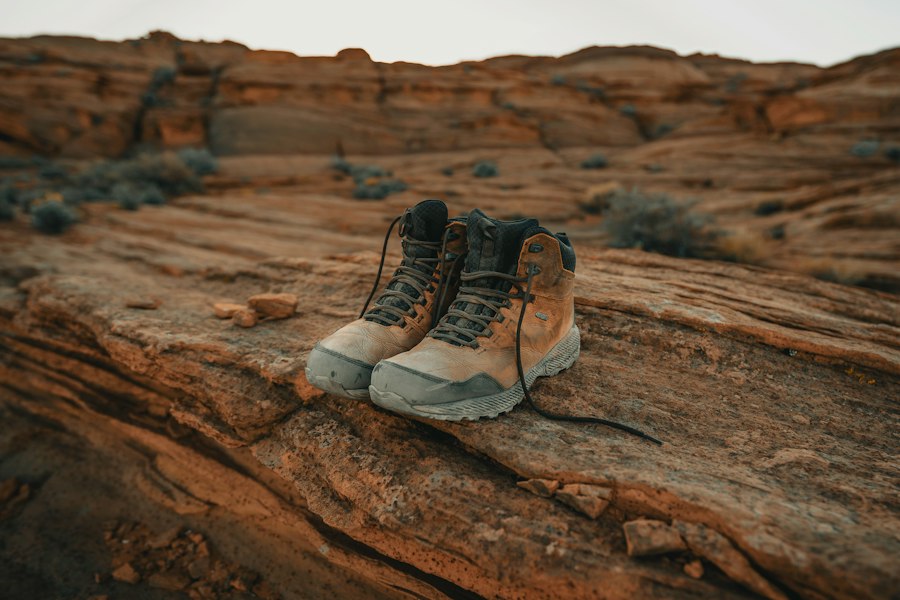
Gear
Mountain Kit
Spend where it counts: the things that keep you warm, dry and moving comfortably.
- 01
Daypack
25 to 35 litres with a rain cover, for water, snacks, layers and your camera.
- 02
Soft Duffel Bag
A waterproof duffel for your porter to carry — no hard suitcases on the mountain.
- 03
Sleeping Bag
Rated to around −10 °C comfort; a liner adds warmth.
- 04
Trekking Poles
Adjustable poles take the strain off your knees on steep descents.
- 05
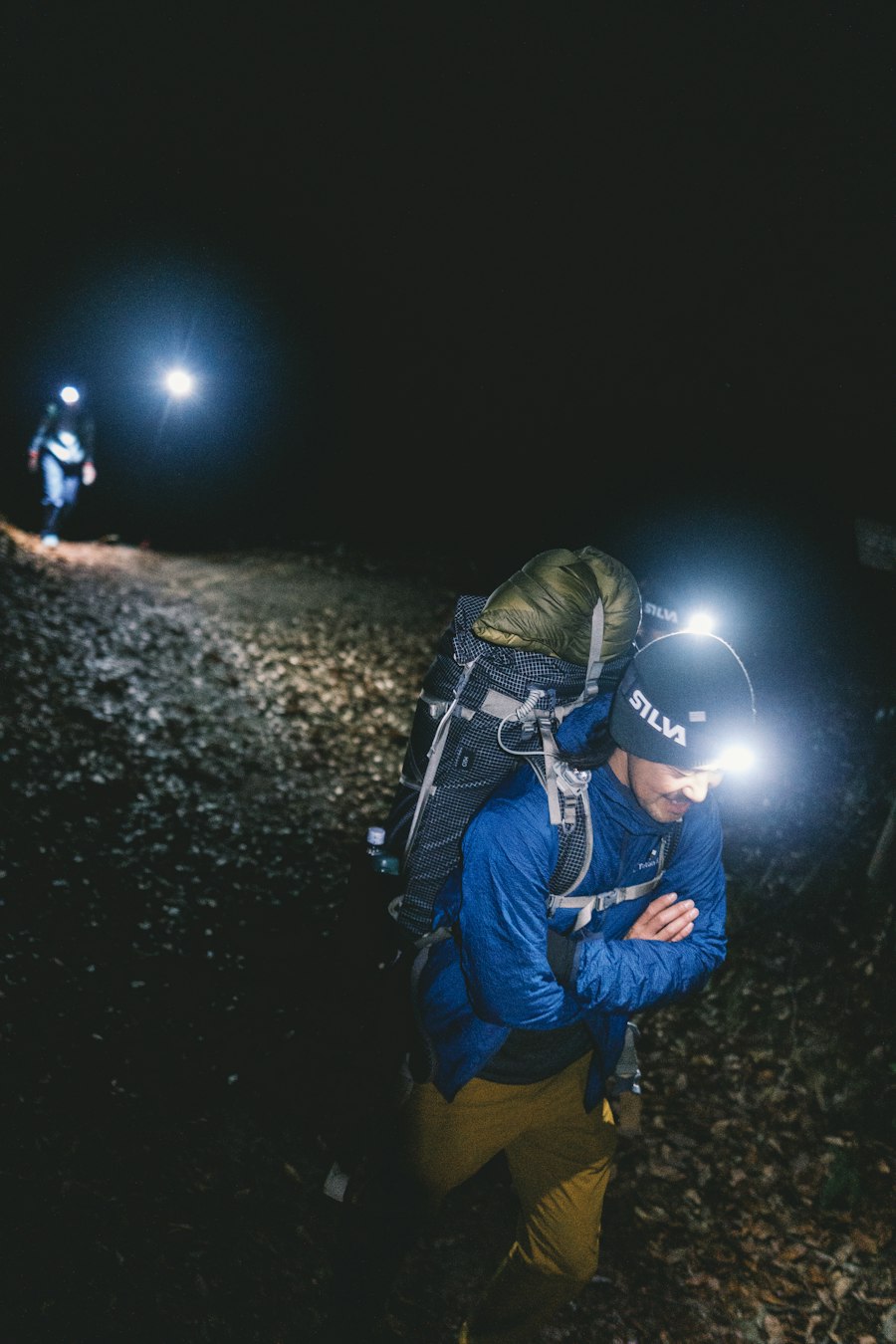
Headlamp
With spare batteries — summit night begins in the dark.
- 06
Water Bottles or Bladder
Carry three litres, and insulate bottles on summit night so they do not freeze.
- 07
Water Purification Tablets
A light back-up to the treated water your crew provides.
- 08
Glacier-Grade Sunglasses
Category 3 or 4 lenses for the glare off snow and scree.
- 09
Sunscreen & Lip Balm
SPF 50 — UV exposure rises sharply with altitude.
- 10
Dry Bags
Keep clothes and your sleeping bag dry inside the duffel.
 Gear
Gear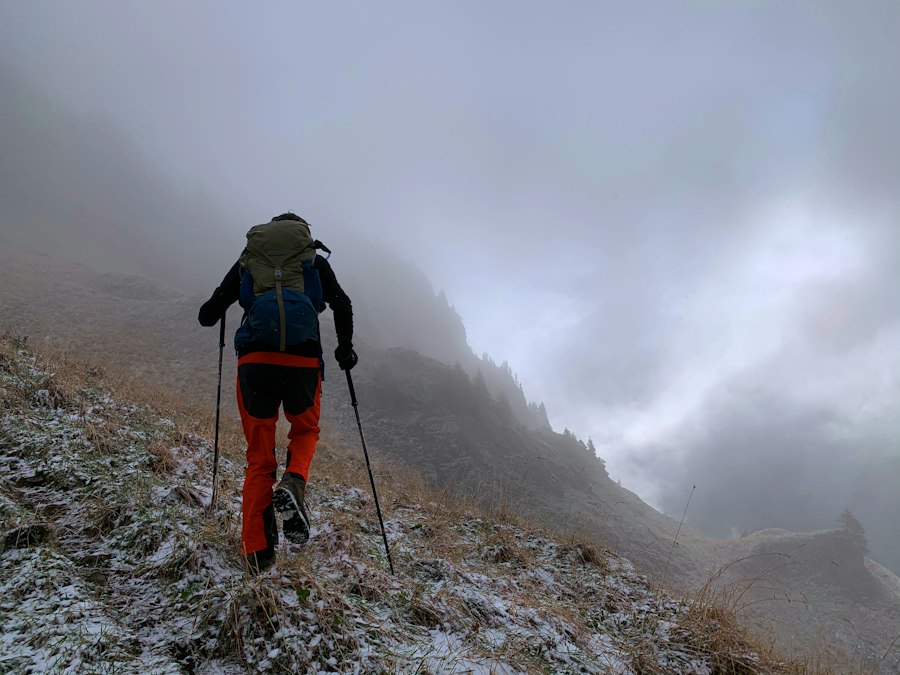
Personal
Health & Personal Items
Small items, big difference. Keep these in your daypack so they are always within reach.
- 01
First Aid & Medication
Blister plasters, painkillers, rehydration salts and any altitude medication your doctor recommends.
- 02
Travel Documents
Passport, visa and insurance that covers trekking up to 6,000 m.
- 03
Toiletries
Travel-sized and biodegradable, with a small quick-dry towel.
- 04
Wet Wipes & Sanitiser
There are no showers on the mountain, so these quickly become essentials.
- 05
Snacks & Energy Bars
Familiar favourites help when altitude dulls your appetite.
- 06
Power Bank
Cold drains batteries fast — keep it in your sleeping bag at night.
- 07
Camera or Phone
Carry it close to your body on summit night to protect the battery.
- 08
Cash for Tips
Tipping the crew is customary; bring US dollars or shillings in an envelope.
 Personal
“Every item on this list has earned its place on the mountain. Pack it well, and the only thing left to carry is your excitement.”