Overview
Kilimanjaro National Park
- Region
- Kilimanjaro
- Summit
- 5,895 m
- UNESCO Listed
- 1987
- Best Time
- Jan–Mar · Jun–Oct
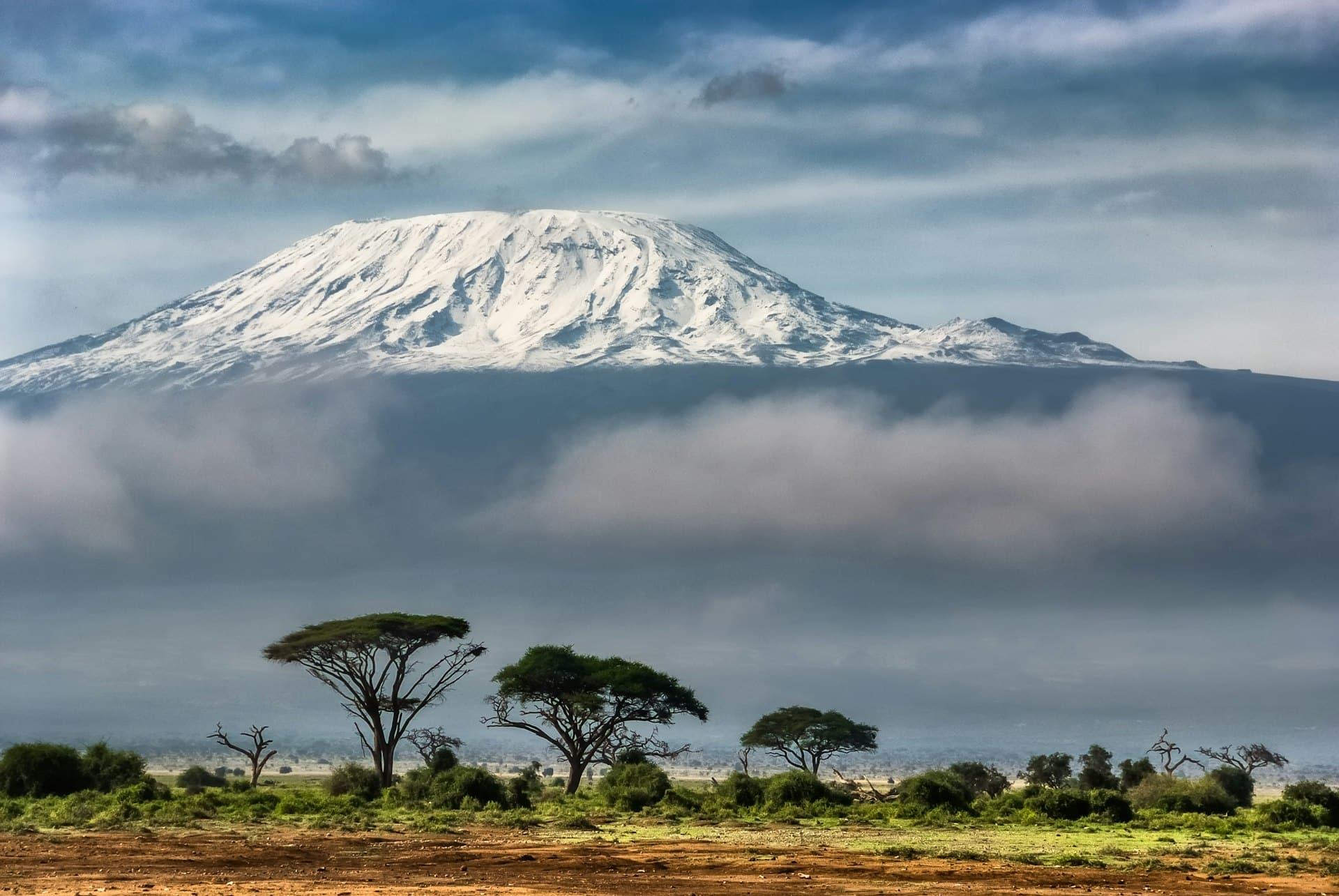
Kilimanjaro National Park protects Africa’s highest mountain and the world’s tallest free-standing peak. Whether you summit Uhuru Peak or walk its forest trails for a day, it is a journey through every climate zone from tropics to arctic.
Key Highlights
Uhuru Peak
At 5,895 metres, the summit on Kibo’s crater rim is the highest point in Africa and the goal of every Kilimanjaro climber.
Five Climate Zones
Trek from cultivated foothills through rainforest, heather and moorland and alpine desert to the glaciers of the summit.
Classic Routes
Choose from the Machame, Lemosho, Marangu, Rongai and other routes, each with its own scenery, pace and character.
Shira Plateau
A vast high-altitude plateau of giant heathers and wide skies, crossed by the western routes on their way to Kibo.
Montane Forest
The lower slopes hide blue monkeys, black-and-white colobus and a wealth of birds beneath a mossy canopy.
About Kilimanjaro National Park
Kilimanjaro rises alone from the plains of northern Tanzania, visible for miles on a clear morning. The national park covers the mountain above the forest line along with its six corridors of forest, and it was declared a UNESCO World Heritage Site for its extraordinary natural beauty.
No technical climbing is needed to reach the summit, but altitude makes it a real challenge. Success comes down to choosing the right route, walking slowly — “pole pole” — and climbing with an experienced crew who know the mountain intimately.
For those who do not want to summit, the lower slopes offer rewarding day hikes, waterfalls and visits to Chagga villages on the edge of the forest.
When to Visit
Climate
Conditions on Kilimanjaro depend on altitude. The foothills are warm and humid, while nights near the summit fall well below freezing. The long rains fall from March to May and the short rains around November.
The best climbing months are January to March and June to October, when skies are clearer and trails drier. January and February tend to be warmer, while July to September is cooler and busier.
Climbs are possible outside these windows, but expect more cloud and mud on the forest sections. Our team will help you pick the route and dates that suit you best.
Climbing Seasons
Jan to Mar · Jun to Oct
Long Rains
March to May
Activities & Experiences
- summit treks
- day hikes
- photography
- cultural visits
- birdwatching
Where to Stay
Mountain huts on the Marangu route
mountain hut
Tented camps on the trekking routes
mountain camp
Hotels and lodges in Moshi
hotel