Overview
Katavi National Park
- Region
- Katavi, Western Tanzania
- Area
- 4,471 km²
- Established
- 1974
- Best Time
- July to October
Far from the northern crowds, Katavi is one of Africa’s last true wilderness parks. In the dry season its shrinking rivers draw enormous herds of buffalo, packed hippo pools and big predators, often with no other vehicle in sight.
Key Highlights
Katuma River Hippos
As the dry season deepens, hundreds of hippos crowd into the remaining pools of the Katuma River in a spectacle few travellers ever see.
Buffalo Herds
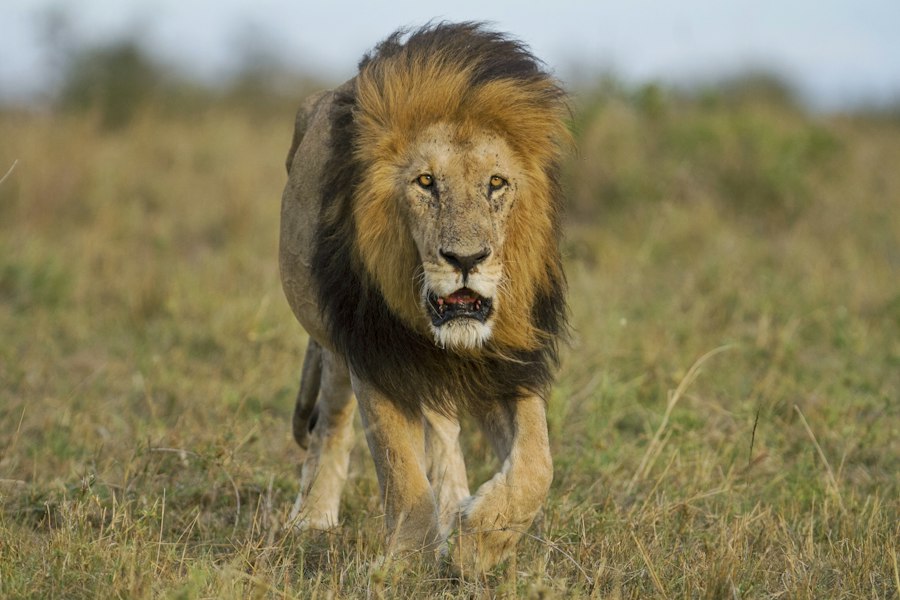
Katavi is famous for vast buffalo herds that move across the floodplains, followed closely by the lions that depend on them.
Katisunga Plains
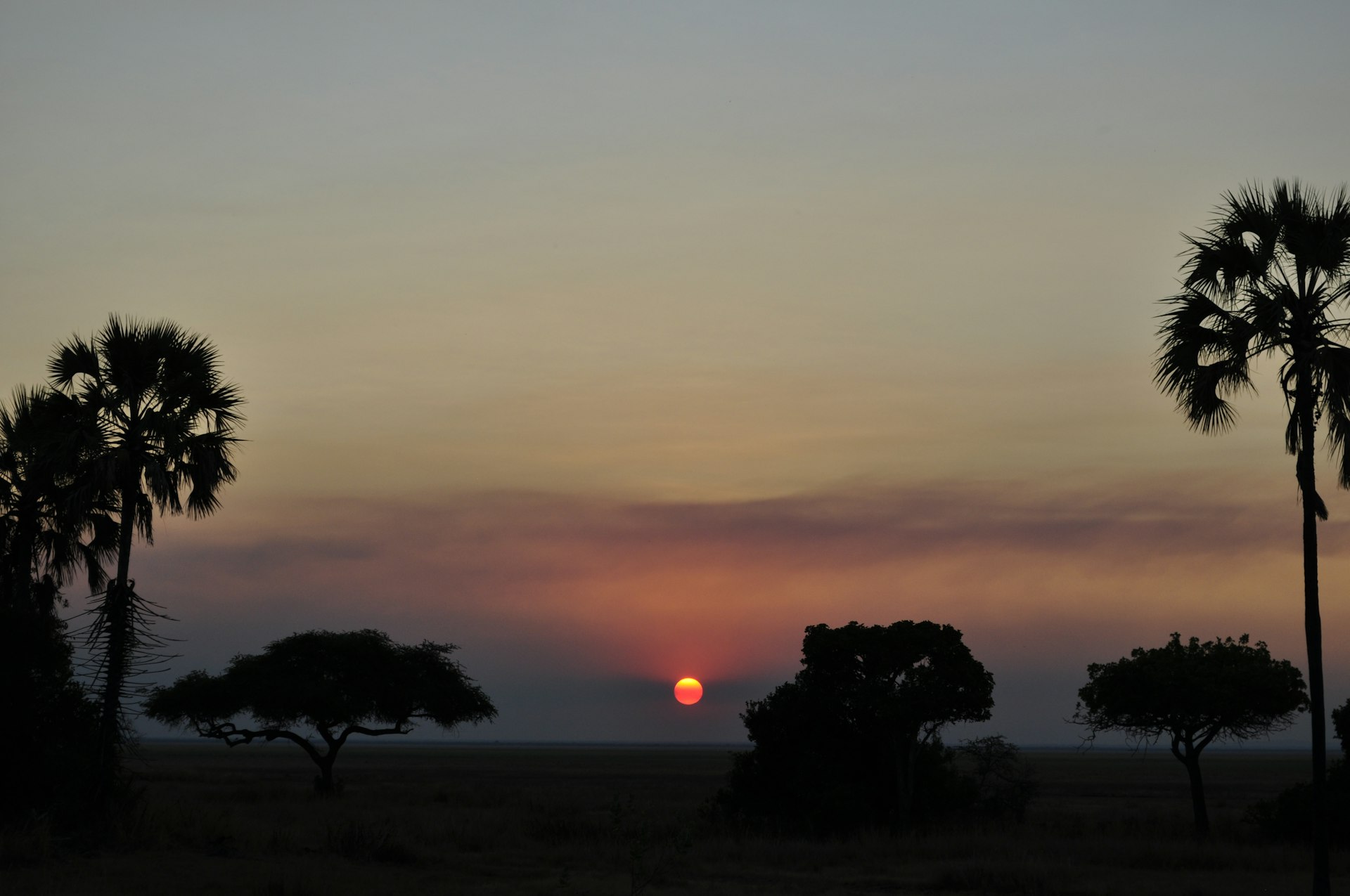
The park’s great open floodplain, alive with giraffe, zebra, topi and impala against a backdrop of palm-fringed woodland.
Lake Chada & Lake Katavi
Seasonal lakes that flood in the rains and become rich grazing grounds and birding hotspots as the waters retreat.
True Solitude
With only a handful of small camps, Katavi offers the rare luxury of watching wildlife without another vehicle around.
About Katavi National Park
Katavi lies in the remote west of Tanzania, between Lake Tanganyika and Lake Rukwa. It is the country’s third-largest national park, yet it welcomes only a tiny fraction of the visitors who travel to the Serengeti — most guests arrive by light aircraft.
The park takes its name from Katabi, a legendary hunter whose spirit is said to live in a tamarind tree near Lake Katavi, where local people still leave offerings. That sense of a place apart runs through every drive and walk here.
Katavi is at its most dramatic late in the dry season, when water becomes scarce and wildlife concentrates along the rivers. It is the perfect addition for experienced safari-goers looking for somewhere genuinely wild.
When to Visit
Climate
Katavi is hot and dry from May to October, with temperatures climbing towards the end of the season. The rains arrive around November and last until April, turning the floodplains into lakes and making many tracks impassable.
Visit from July to October for the finest game viewing, when the Katuma River shrinks to pools and wildlife gathers in astonishing numbers.
Most camps close during the heaviest rains. If you travel early in the dry season, from May to June, the landscape is still green and the park feels even more private.
Peak Season
July to October
Wet Season
November to April
Activities & Experiences
- game drives
- walking safaris
- fly camping
- birdwatching
- photography
Where to Stay
Seasonal tented camps
tented camp
Public campsites
campsite
Resident Species