Overview
Lake Manyara National Park
- Region
- Manyara
- Established
- 1960
- Biosphere Reserve
- UNESCO
- Best Time
- June to October
Squeezed between the soaring Rift Valley escarpment and a shimmering soda lake, Lake Manyara offers a surprising range of habitats in a compact park — ideal for a half-day or full-day stop on the northern circuit.
Key Highlights
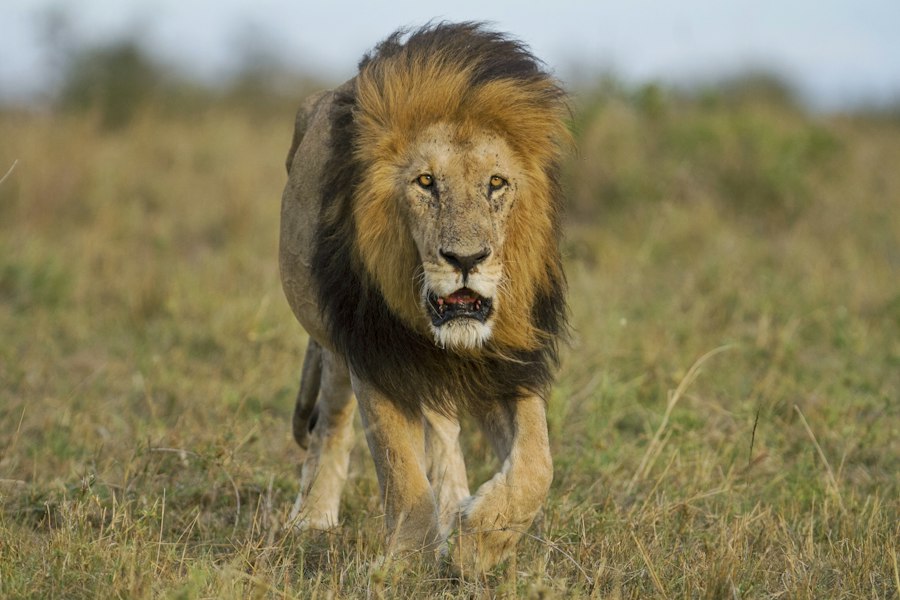
Tree-Climbing Lions
Manyara’s lions are known for resting in the branches of acacia and mahogany trees — a sight that is never guaranteed, but always unforgettable.
Groundwater Forest
Just inside the gate, springs feed a lush forest of fig and mahogany trees, home to troops of olive baboons and blue monkeys.
Flamingos & Birdlife
The alkaline lake attracts flamingos in season, along with pelicans, storks and hundreds of other bird species.
Maji Moto Hot Springs
Steaming springs bubble up at the southern end of the park, a reminder of the volcanic forces that shaped the Rift Valley.
Treetop Walkway
Walk among the forest canopy on suspension bridges strung between the trees, with views over the forest floor below.
About Lake Manyara National Park
Lake Manyara lies at the foot of the Great Rift Valley escarpment, around two hours’ drive from Arusha. Much of the park is taken up by the lake itself, which rises and falls with the seasons, while a narrow strip of forest, woodland and grassy floodplain runs along its shore.
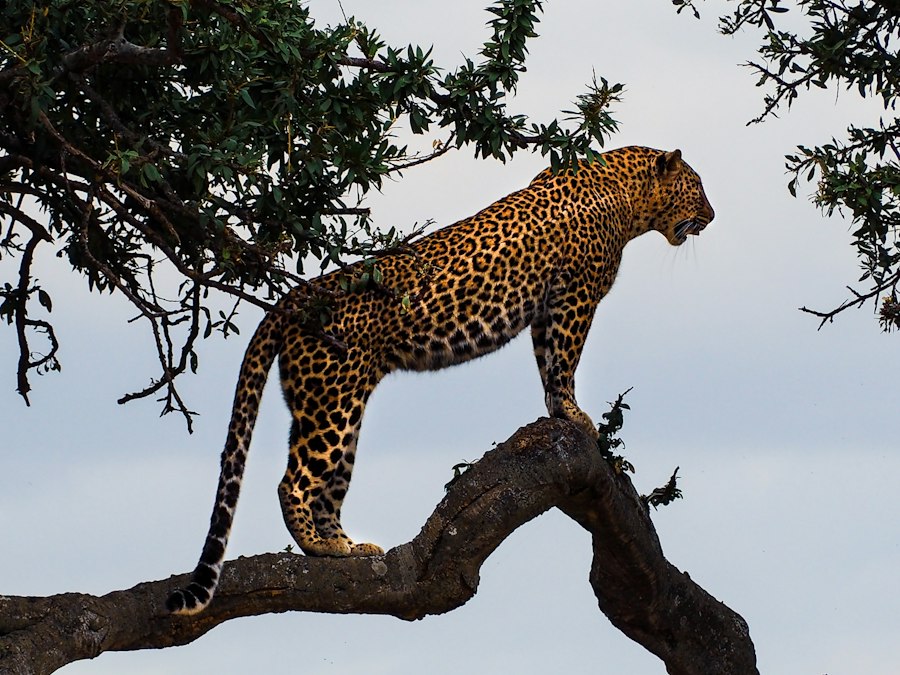
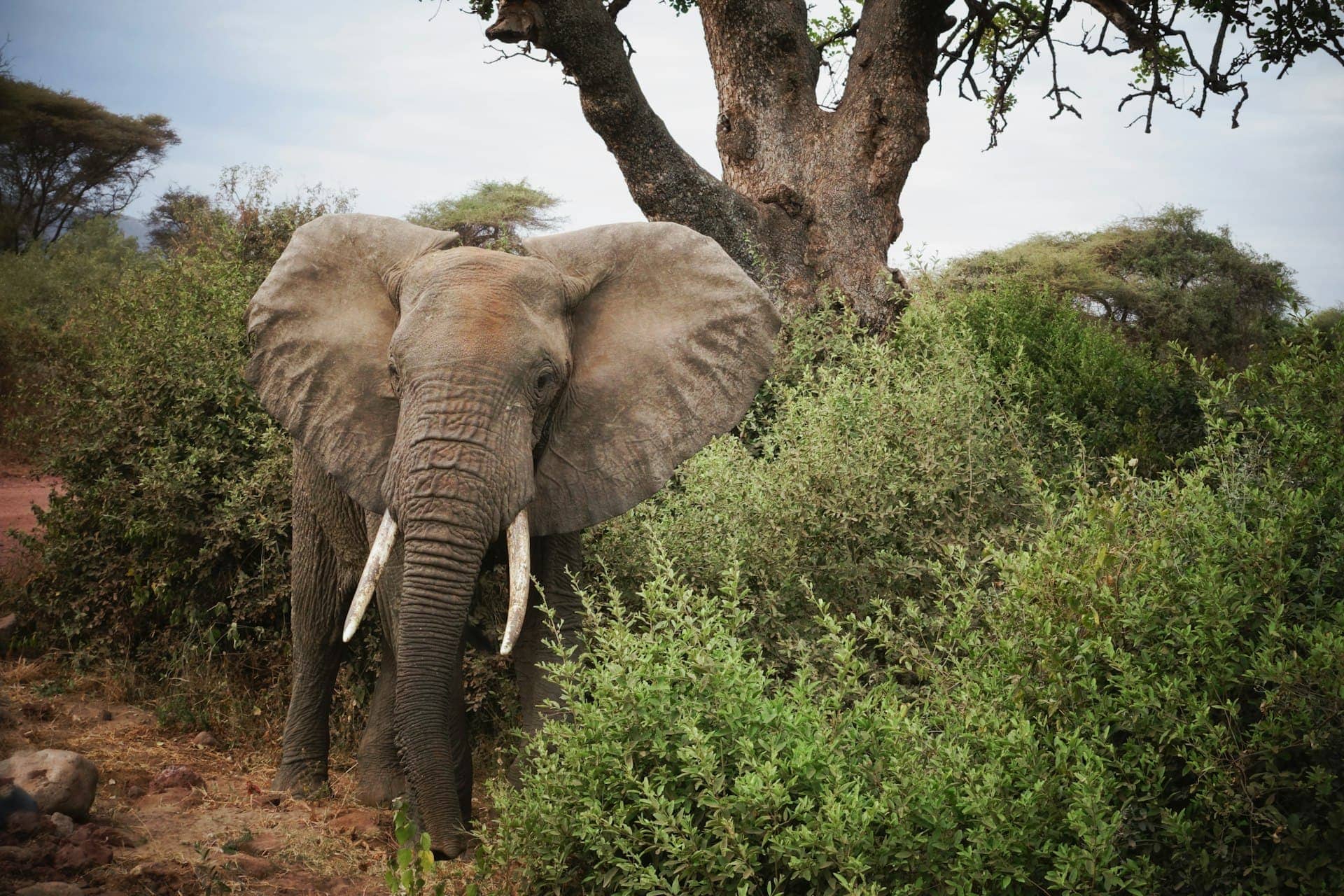
This variety packs a lot of wildlife into a small space. Elephants move through the woodland, giraffe and buffalo graze the floodplain, hippos wallow near the lake edge and the park is one of the best in the north for birds.
Manyara sits right on the route to Ngorongoro and the Serengeti, which makes it a perfect first taste of safari before you continue west.
When to Visit
Climate
Lake Manyara is warm year-round, with hot afternoons at the lake’s edge. The short rains arrive in November and December and the long rains from March to May, when the park turns vivid green.
For classic game viewing, visit during the dry season from June to October, when animals gather near water and the woodland is easier to see into.
Birdwatchers will love the wetter months from November to May, when migratory species arrive and the lake is at its fullest.
Peak Season
June to October
Wet Season
November to May
Activities & Experiences
- game drives
- birdwatching
- treetop walkway
- cultural visits
- photography
Where to Stay
Escarpment lodges above the lake
lodge
Farm lodges around Karatu
lodge
Mto wa Mbu guesthouses & campsites
campsite
Resident Species