Overview
Tarangire National Park
- Region
- Manyara
- Area
- 2,850 km²
- Established
- 1970
- Best Time
- June to October
Just a short drive from Arusha, Tarangire is baobab country. In the dry season the Tarangire River becomes the only reliable water for miles, drawing huge herds of elephants and a remarkable concentration of wildlife.
Key Highlights
Elephant Herds
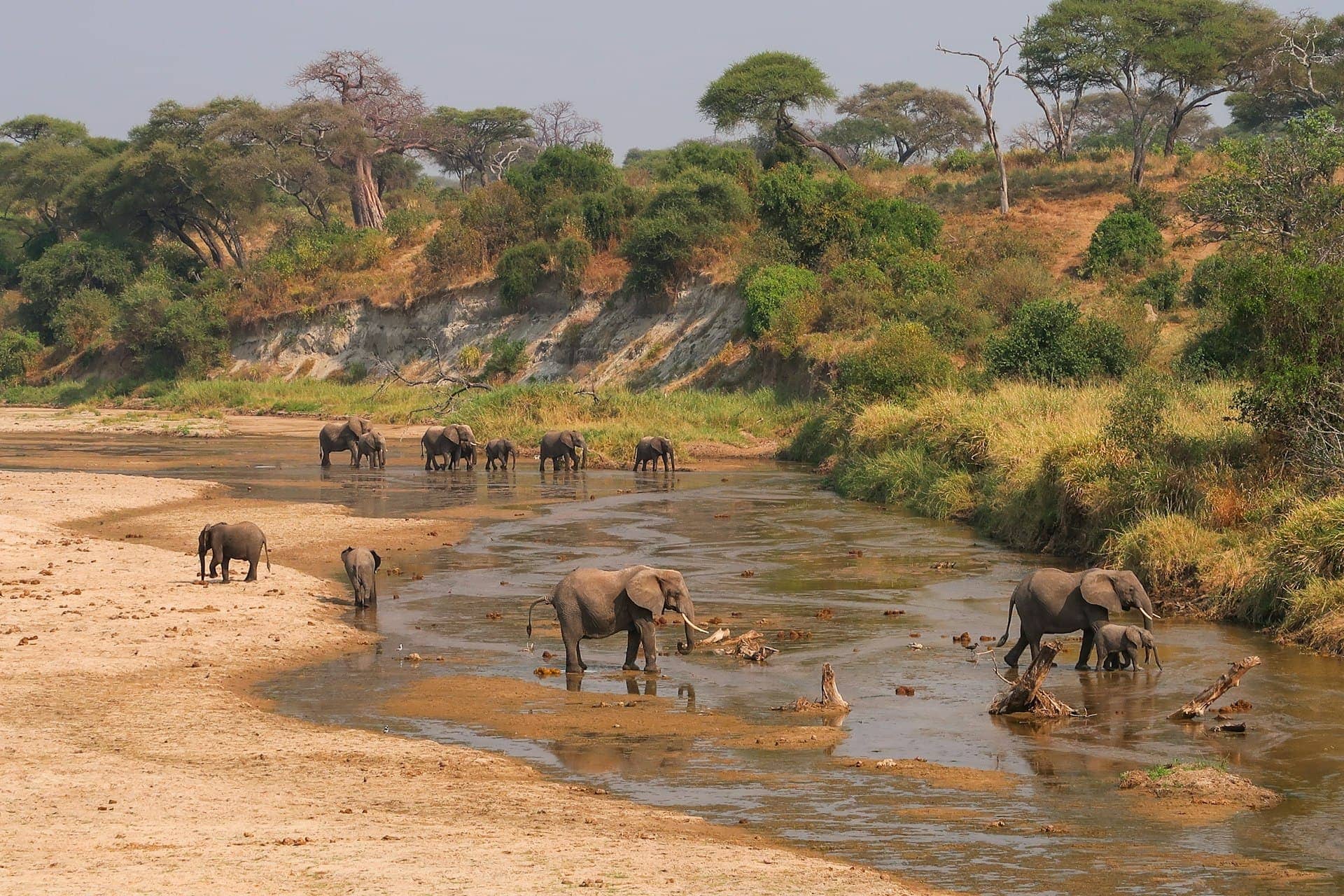
Tarangire is famous for its elephants, with family herds of dozens — sometimes hundreds — gathering along the river in the dry season.
Ancient Baobabs
Towering, centuries-old baobab trees give the park its iconic silhouette and shelter everything from birds to bush babies.
Tarangire River
The park’s lifeline, attracting zebra, wildebeest, buffalo and the predators that follow them when the land dries out.
Silale Swamp
A green refuge in the heart of the park where elephants and buffalo graze and lions often wait nearby.
Superb Birding
More than 500 bird species have been recorded here, from ostriches and kori bustards to colourful lovebirds and hornbills.
About Tarangire National Park
Tarangire is often overlooked in favour of the Serengeti, which is exactly why we love it. Its rolling landscape of baobabs, acacia woodland and river valleys is wonderfully photogenic, and in the dry season it rivals any park in Africa for wildlife density.
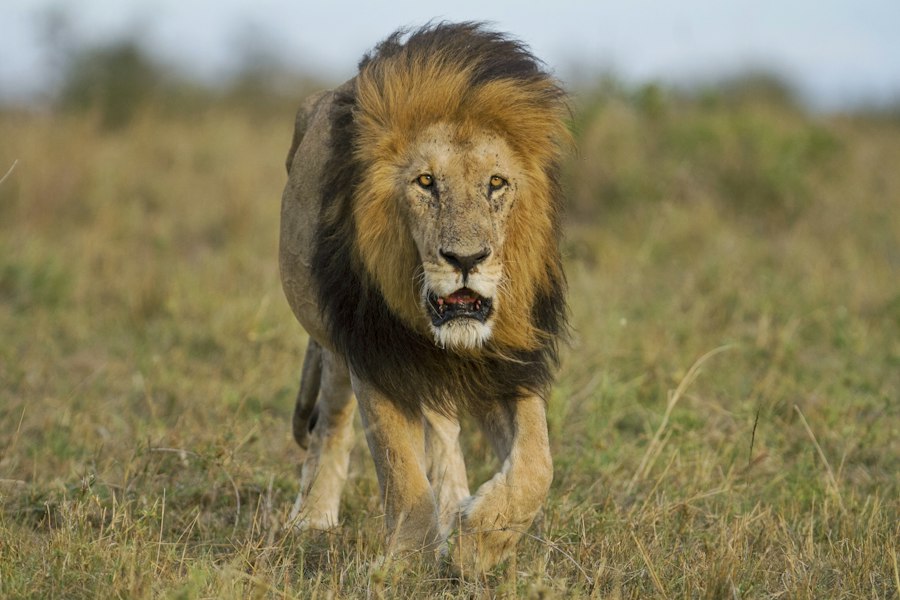
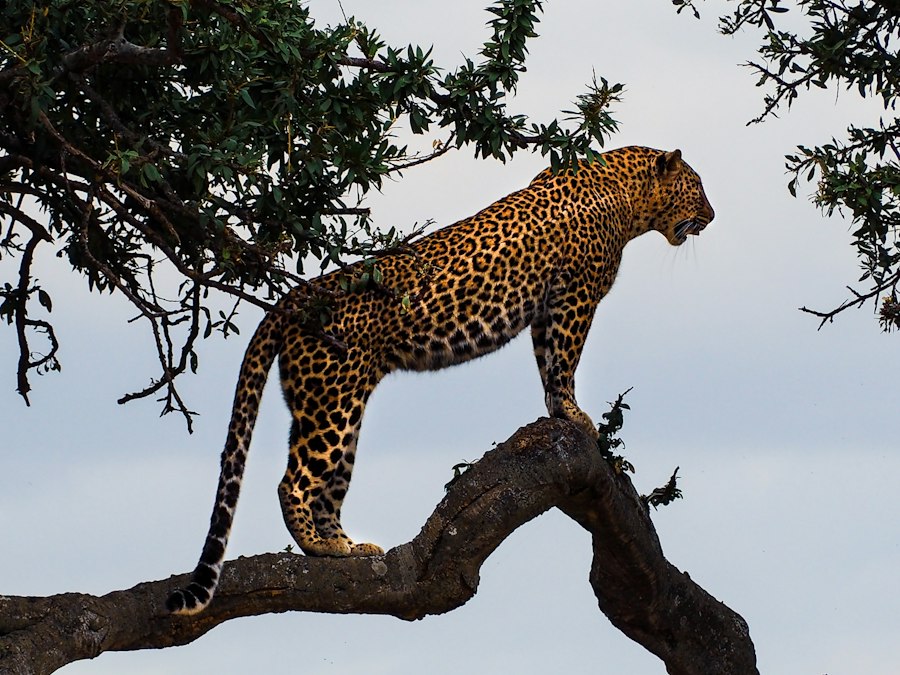
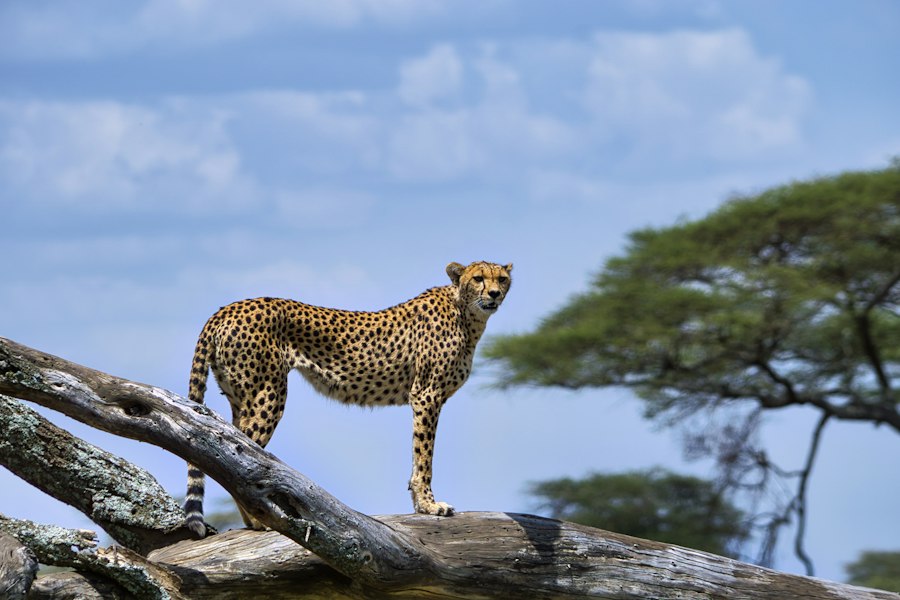
Between June and October, animals from the surrounding plains move into the park in search of water. Elephants dig for moisture in the dry riverbed, while lions, leopards and cheetahs follow the herds.
Only a couple of hours from Arusha, Tarangire fits easily into any northern circuit itinerary and makes a superb start or finish to your safari.
When to Visit
Climate
Tarangire is warm throughout the year, with hot, dry days from June to October and cooler evenings. The short rains fall in November and December and the long rains from March to May, when the park becomes lush and green.
Visit from June to October for the best game viewing, when wildlife crowds the Tarangire River and elephant numbers reach their peak.
The wet season brings fewer visitors, newborn animals and excellent birdwatching, as migratory species arrive and the baobabs come into leaf.
Peak Season
June to October
Wet Season
November to May
Activities & Experiences
- game drives
- walking safaris
- birdwatching
- photography
- camping
Where to Stay
Tented camps inside the park
tented camp
Lodges near the park gate
lodge
Public campsite
campsite
Resident Species