Overview
Ngorongoro Crater
- Region
- Arusha
- Conservation Area
- 8,292 km²
- UNESCO Listed
- 1979
- Best Time
- June to October
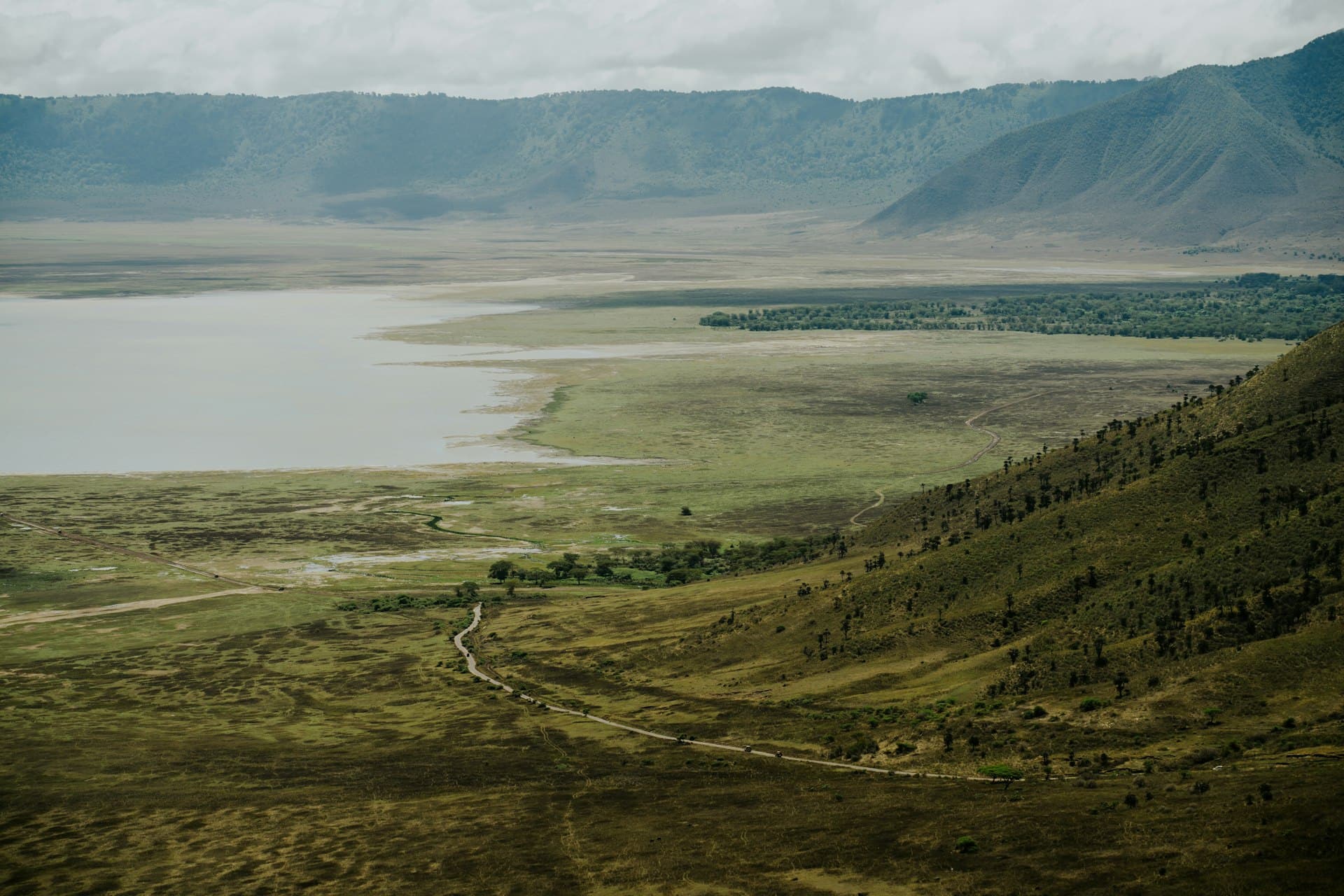
The Ngorongoro Crater is the world’s largest intact volcanic caldera. Its walls shelter a self-contained world of grassland, swamp, forest and soda lake where lions, black rhinos, elephants and vast herds live side by side.
Key Highlights
The Crater Floor
Descend some 600 metres from the rim onto open plains teeming with wildebeest, zebra, buffalo, hyenas and lions.
Lerai Forest
A glade of yellow-barked fever trees where elephants browse and black rhinos are sometimes seen resting nearby.
Lake Magadi
The crater’s shallow soda lake often glows pink with flamingos, with hippos lounging in the nearby pools.
Olduvai Gorge
One of the world’s most important sites for understanding human origins, with a museum telling the story of its discoveries.
Empakaai Crater
A quieter, lake-filled crater in the highlands, where you can hike down to the shore on a guided walk.
About Ngorongoro Crater
Around two to three million years ago, a massive volcano here collapsed on itself, leaving a caldera roughly 260 square kilometres across. Today the crater is the jewel of the Ngorongoro Conservation Area, a UNESCO World Heritage Site where wildlife and Maasai pastoralists share the land.
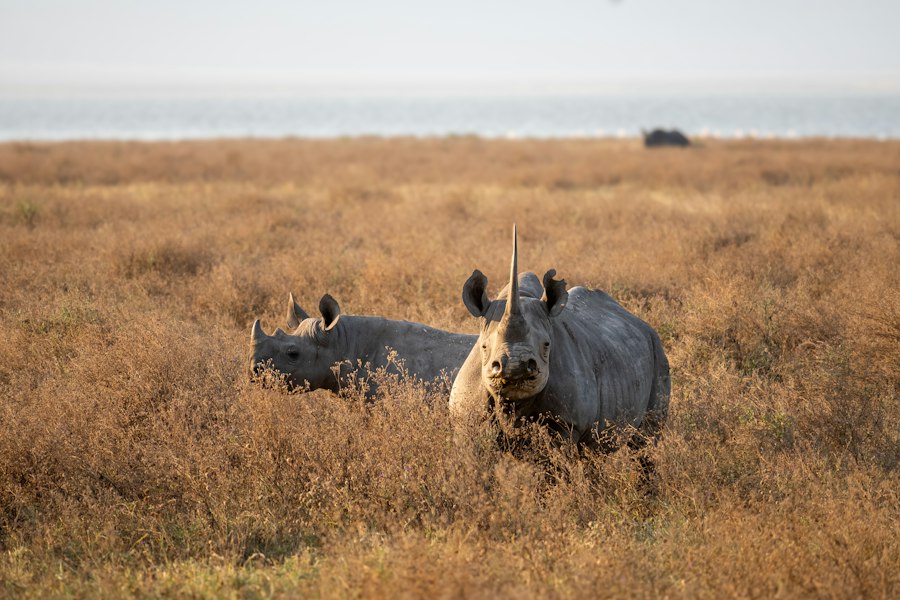
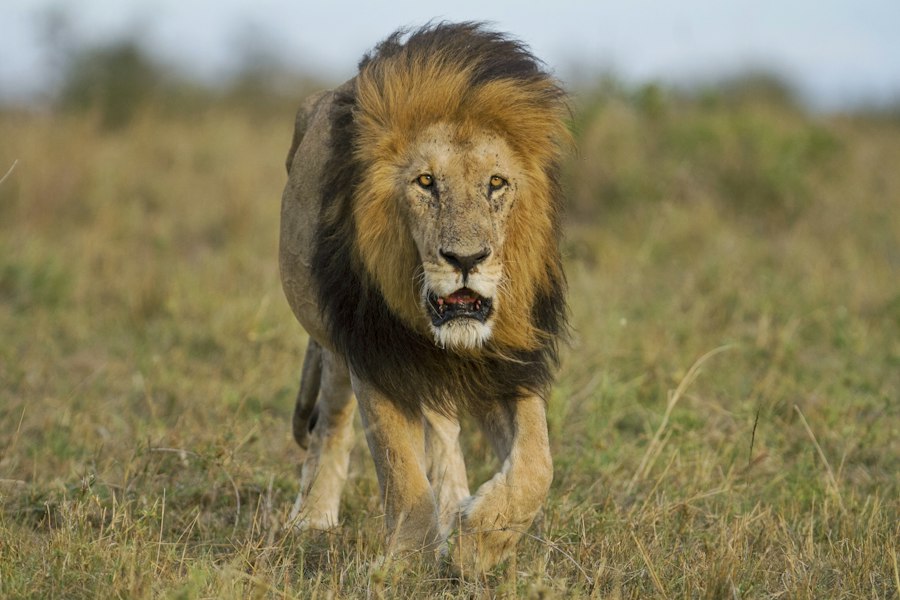
Water, grass and shelter keep animals in the crater all year, so the game viewing is superb in every season. It is the most reliable place in Tanzania to see the endangered black rhino, and its lions and hyenas are among the most photographed in Africa.
Beyond the crater, the conservation area stretches across highland forest and plains to Olduvai Gorge, Empakaai and the short-grass plains of Ndutu, where the migration calves early each year.
When to Visit
Climate
The crater rim sits high above sea level and is often cool and misty, especially in the early morning — bring a warm layer. The floor is warmer and drier. The main rains fall from March to May, with short rains in November and December.
Ngorongoro is excellent year-round. The dry season from June to October brings clear skies and easy viewing, though the crater is at its busiest.
From November to May the crater floor is green and lush, visitor numbers drop and the nearby Ndutu plains fill with calving wildebeest from January to March.
Peak Season
June to October
Wet Season
November to May
Activities & Experiences
- game drives
- crater rim walks
- olduvai gorge visit
- maasai cultural visits
- photography
Where to Stay
Lodges on the crater rim
lodge
Farm lodges around Karatu
lodge
Simba public campsite on the rim
campsite
Resident Species