Overview
Serengeti National Park
- Region
- Mara & Simiyu
- Area
- 14,763 km²
- Established
- 1951
- Best Time
- June to October
The Serengeti is Tanzania’s most celebrated park and the stage for the Great Migration, when well over a million wildebeest, zebra and gazelle follow the rains in an endless loop across the plains.
Key Highlights
The Great Migration
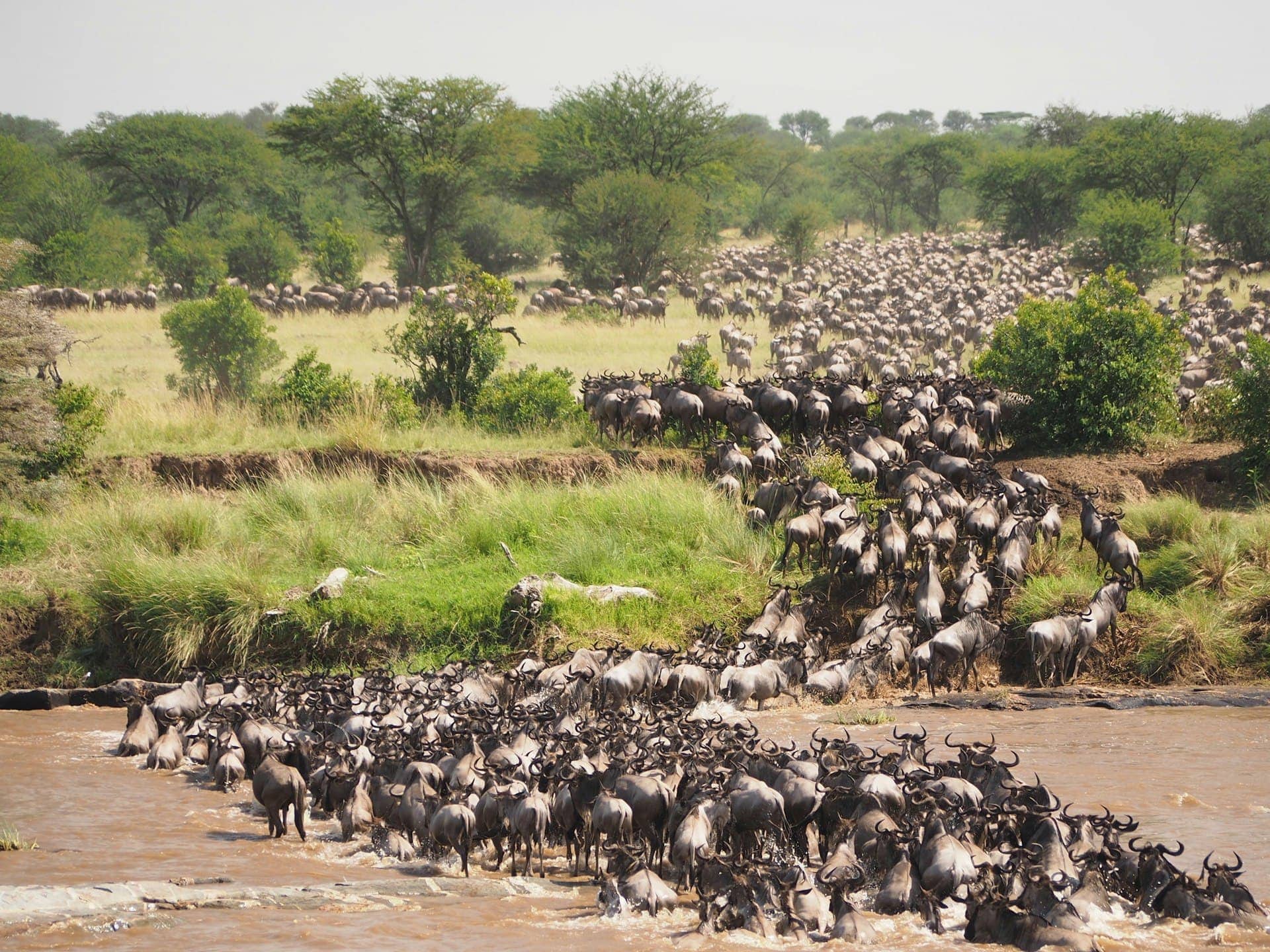
Around 1.5 million wildebeest and hundreds of thousands of zebra and gazelle circle the ecosystem each year in search of fresh grazing.
Seronera Valley
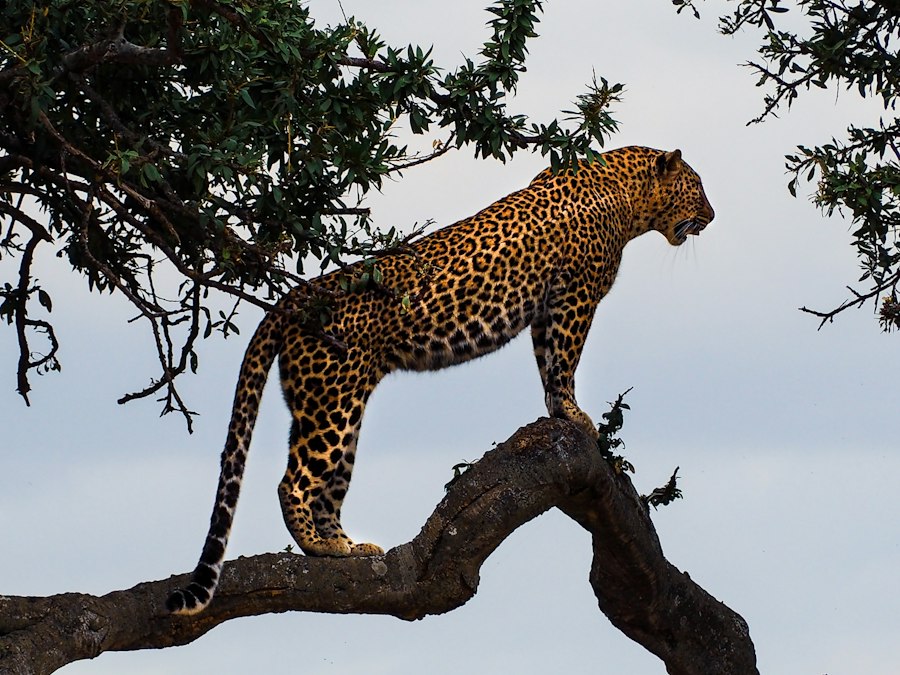
The central Serengeti’s tree-lined rivers support resident wildlife year-round and some of Africa’s best leopard and lion viewing.
River Crossings
From around July to October, herds brave the crocodile-filled Mara River in the north in one of nature’s great dramas.
Moru Kopjes
Granite outcrops rising from the southern plains, with ancient Maasai rock paintings and the famous Gong Rock.
Retima Hippo Pool
A lively river pool north of Seronera where dozens of hippos grunt, splash and jostle for space.
About Serengeti National Park
Serengeti comes from the Maasai word for “endless plains”, and standing on its grasslands it is easy to see why. The park is Tanzania’s oldest and was listed as a UNESCO World Heritage Site for its extraordinary wildlife and the migration it protects.
The migration never stops moving. The herds calve in the south between January and March, drift west through the Grumeti region around May and June, and reach the northern Serengeti and the Mara River by July, before returning south with the short rains.
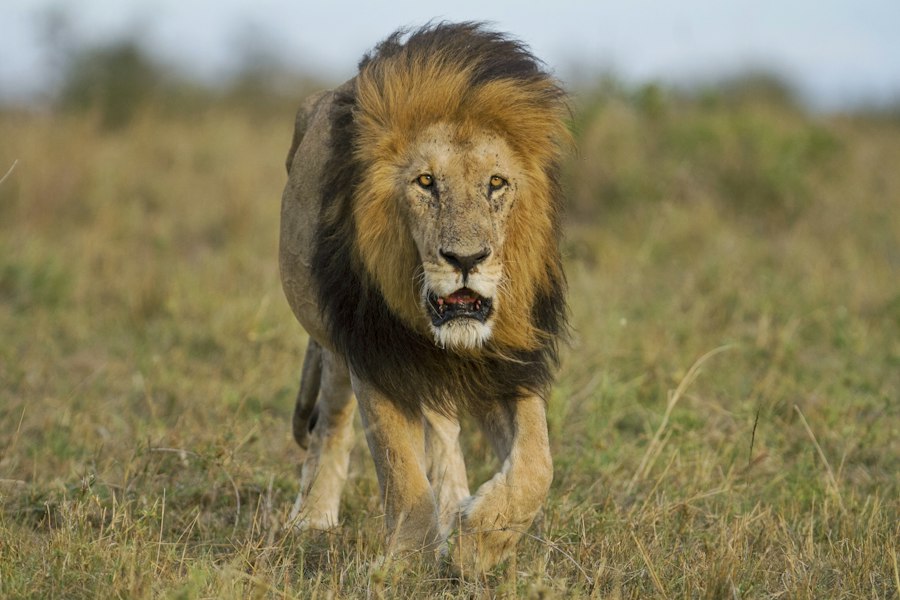
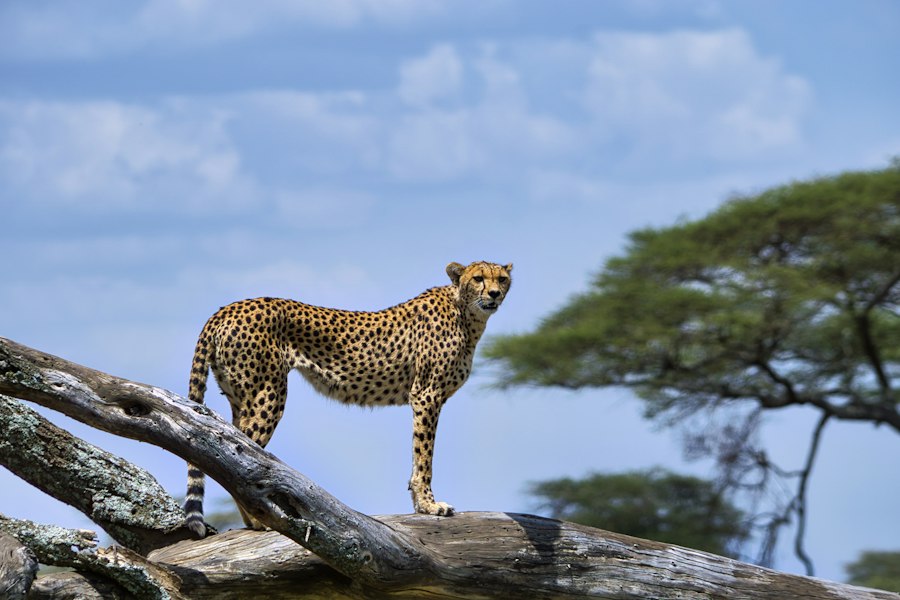
Beyond the migration, the Serengeti’s resident wildlife is superb all year. Lions, leopards, cheetahs, elephants, giraffes and hyenas are all regularly seen, and a dawn hot air balloon flight over the plains is an experience our guests never forget.
When to Visit
Climate
The Serengeti enjoys a mild climate, with warm days and cool nights thanks to its altitude. Short rains usually fall in November and December and the long rains from March to May, with a drier spell between them.
June to October is the dry season and the most popular time to visit, with easy game viewing and the dramatic river crossings in the north.
January to March is calving season in the southern Serengeti and the neighbouring Ndutu plains — thousands of newborn wildebeest attract predators in huge numbers. We plan every itinerary around where the herds are expected to be.
Peak Season
June to October
Green Season
November to May
Activities & Experiences
- game drives
- hot air balloon
- walking safaris
- photography
- camping
Where to Stay
Mobile migration camps
tented camp
Lodges in central Seronera
lodge
Seronera public campsites
campsite
Resident Species